
What to Expect in Your First Firearm Training Class
What to Expect in Your First Class
Signing up for your first firearm training class can feel intimidating — not because it’s dangerous, but because most people don’t know what actually happens once they show up. Movies, social media, and gun-counter folklore have done a great job of muddying the waters.
This article lays it out plainly: what a first firearm training class looks like, how instructors run it, and how to prepare so you walk in focused instead of guessing.
Before You Arrive: Preparation & Mindset
Your first firearm training class starts before you ever touch a gun.
Instructors expect:
A willingness to follow instructions
An emphasis on safety over speed
Questions — not silence or ego
They do not expect you to be skilled, fast, or confident on day one. Training exists because people aren’t born knowing this stuff.
Showing up with the mindset of “I’m here to learn, not perform” instantly puts you ahead of the curve.
Safety Briefings: Why They Matter More Than Anything
Every reputable firearm training class begins with a safety briefing — and it’s not a formality.
You’ll cover:
The fundamental firearm safety rules
How the range operates
Muzzle awareness and trigger discipline
Emergency procedures
This portion sets the tone for the entire class. Instructors watch closely here, not to judge skill, but to ensure students understand responsibility.
If someone ignores safety protocols, they won’t “power through” the class — they’ll be corrected or removed. Safety is non-negotiable.
Classroom Time vs Live Fire
Most first-time firearm training classes are split between:
Classroom instruction
Live fire on the range
Classroom time covers the why:
Why grip matters. Why trigger press matters. Why accuracy isn’t random.
Live fire covers the how:
Applying those concepts under direct supervision, one step at a time.
You won’t be thrown into rapid drills. Instructors control pace intentionally to build consistency, not chaos.
What Instructors Are Actually Watching
Here’s what surprises most beginners: instructors are not watching your target — they’re watching you.
They’re paying attention to:
Muzzle direction
Trigger finger placement
Grip consistency
Body positioning
How you respond to corrections
Accuracy improves naturally when fundamentals are correct. Safety and consistency come first.
Common Beginner Mistakes (And Why They’re Normal)
Every new shooter makes mistakes. Instructors expect them.
The most common ones include:
Overgripping the pistol
Anticipating recoil
Rushing shots
Fixating on gear instead of technique
None of these are failures. They’re starting points. Training exists to identify and correct them before they become habits.
What You Should Bring (And What You Don’t Need)
Most firearm training programs keep requirements minimal.
You’ll typically need:
A pistol (or confirmation that one is provided)
Eye and ear protection
Ammunition
Comfortable, weather-appropriate clothing
You do not need:
High-end gear
Tactical apparel
Prior experience
A competitive mindset
If you’re unsure, ask ahead of time. Instructors would rather clarify than let uncertainty slow learning.
How Feedback Works During Training
Correction is part of the process — and it’s direct.
Instructors will:
Adjust grip or stance physically (with permission)
Offer immediate verbal corrections
Explain why a change matters
This isn’t criticism. It’s coaching. The fastest progress happens when feedback is applied immediately, not saved for later.
What You Should Walk Away With
After your first firearm training class, you should leave with:
A clear understanding of firearm safety
Confidence handling your firearm correctly
Knowledge of what to practice — and how
A foundation for continued training
You won’t be an expert — and that’s the point. You’ll be prepared to improve without guessing.
Final Thoughts
Your first firearm training class isn’t about proving anything. It’s about learning responsibly, safely, and efficiently.
Good training removes uncertainty. It replaces assumptions with fundamentals and builds confidence through structure. If you show up open to instruction, you’ll leave better than you arrived — every time.
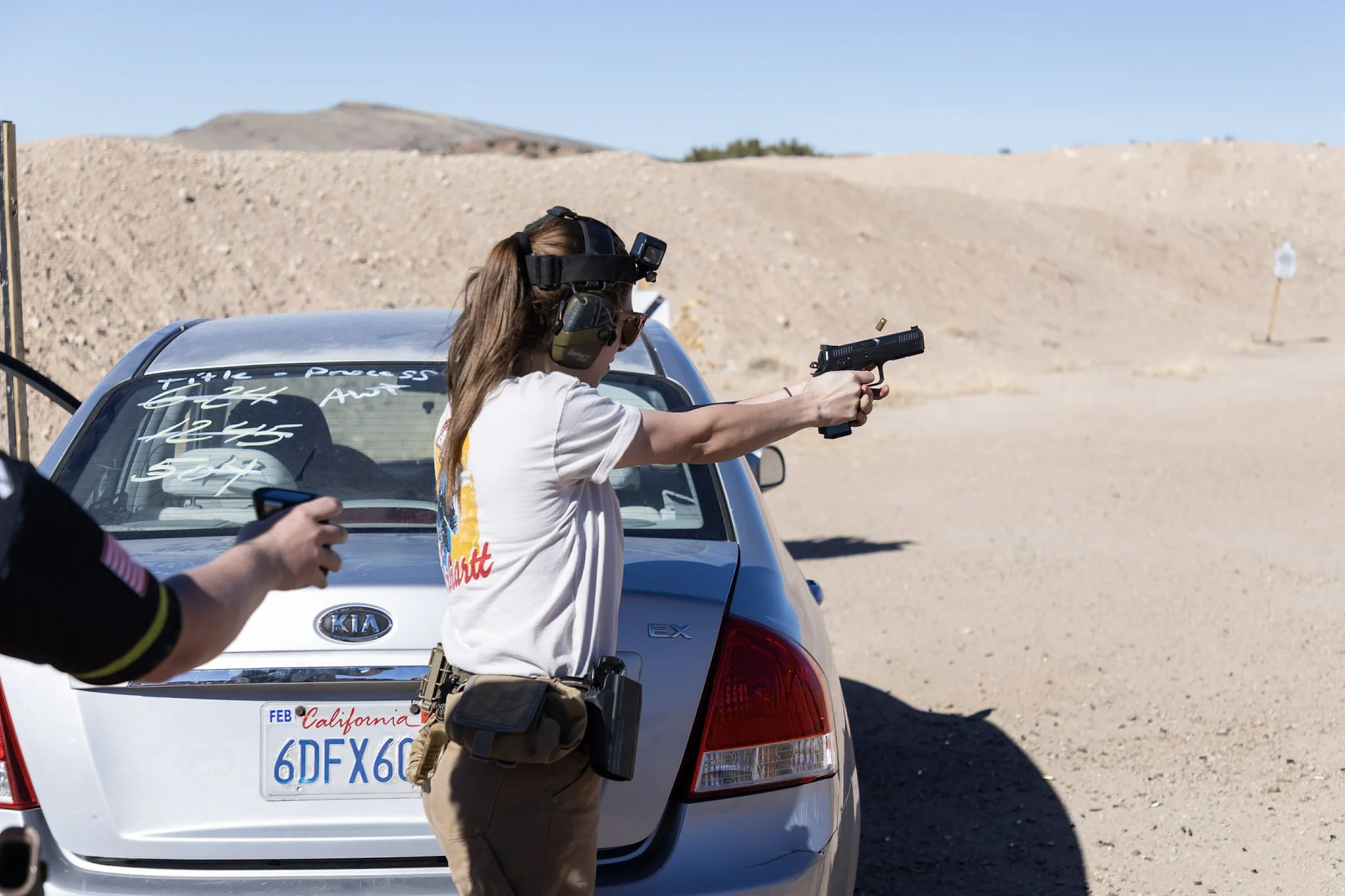
Top 10 Mistakes New Shooters Make (And How to Fix Them)
Top 10 Mistakes New Shooters Make
Every experienced shooter has made these mistakes — usually more than once. The difference between people who improve and people who stall isn’t talent or gear. It’s whether bad habits get corrected early or reinforced over time.
This list covers the most common mistakes instructors see from new shooters and, more importantly, how to fix them before they become permanent.
Ignoring the Fundamentals in Favor of Speed
New shooters often rush shots to feel productive. Speed without control leads to poor accuracy and frustration.
Fix:
Stay in the process. Accuracy comes from consistency. Speed follows naturally once fundamentals are solid.
2. Poor Grip and Inconsistent Hand Placement
Grip inconsistency causes recoil management issues and erratic shot placement.
Fix:
Develop a repeatable grip. Training helps identify pressure points and hand placement that stay consistent under recoil.
3. Slapping the Trigger Instead of Pressing It
Inconsistent speed and pressure is one of the biggest accuracy killers — and one of the hardest habits to break later.
Fix:
Focus on a smooth, straight-back trigger press. Dry fire practice reinforces proper mechanics without distraction.
4. Anticipating Recoil
Many new shooters subconsciously brace for recoil, pushing shots low or off target.
Fix:
Let the firearm do its job. Training drills isolate recoil management so anticipation doesn’t drive movement.
5. Chasing Gear Instead of Skill
New shooters often assume better equipment equals better results.
Fix:
Invest in training before upgrading gear. Fundamentals matter far more than accessories.
6. Skipping Dry Fire Practice
Dry fire is one of the most effective training tools — and one of the most underused.
Fix:
Incorporate regular dry fire sessions focused on trigger control, grip, and sight alignment.
7. Failing to Follow Safety Rules Consistently
Safety violations rarely come from malice — they come from inattention.
Fix:
Treat safety rules as habits, not reminders. Professional instruction reinforces safe behavior until it becomes automatic.
8. Practicing Without Structure
Random drills without purpose don’t produce consistent improvement.
Fix:
Use structured practice plans with clear goals. Training provides direction instead of guesswork.
9. Letting Frustration Take Over
Missed shots lead to rushed decisions and sloppy technique.
Fix:
Pause, reset, and focus on fundamentals. Improvement requires patience and repetition.
10. Avoiding Professional Training Altogether
Many shooters wait too long to seek instruction, reinforcing bad habits along the way.
Fix:
Start training early. Professional feedback accelerates progress and prevents wasted effort.
Why These Mistakes Matter
Left unchecked, these mistakes slow progress and increase risk. Correcting them early builds confidence, safety, and consistency — the foundation of effective shooting.
Training isn’t about calling people out. It’s about giving shooters the tools to improve efficiently and responsibly.
Final Thoughts
Every shooter starts somewhere. Mistakes are part of the process — but they shouldn’t be permanent.
With structured training, proper feedback, and intentional practice, new shooters progress faster and safer. The earlier mistakes are addressed, the stronger the foundation becomes.
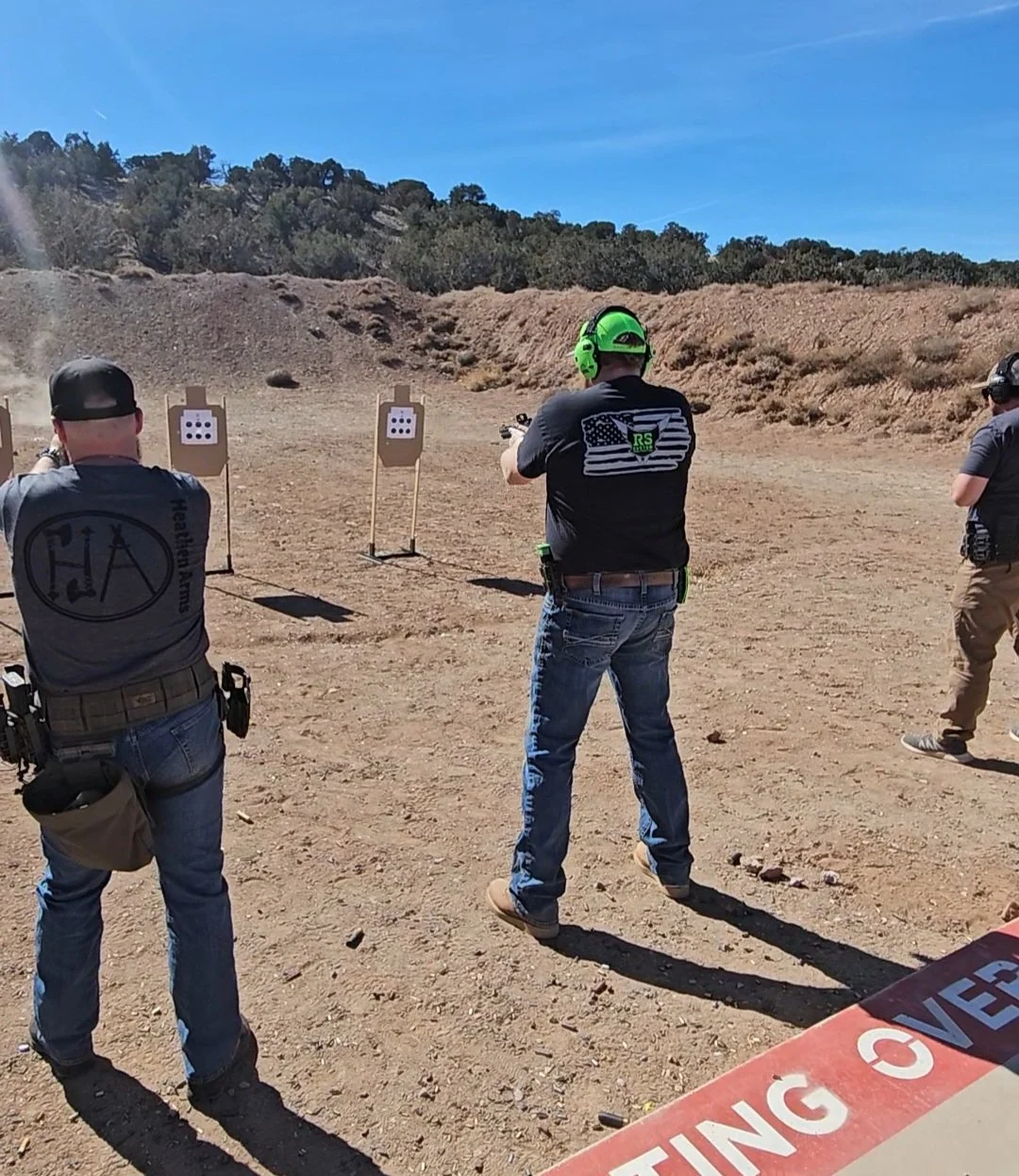
Recommended Gear for Pistol Training: What Matters and What Doesn’t
Gear for Pistol Course
New shooters often assume better gear leads to better performance. The industry doesn’t discourage this idea — but instructors know the truth.
Most progress in pistol training comes from fundamentals, not accessories. The right gear supports learning; the wrong gear distracts from it. This guide breaks down what you actually need for effective pistol training and what you can safely skip.
The Only Gear That Truly Matters
Before anything else, gear should support safe, repeatable practice.
1. A Reliable Pistol
Your pistol doesn’t need to be expensive — it needs to be reliable.
What matters:
Consistent function
Manageable recoil
Controls you can operate confidently
Training is about mastering your firearm, not chasing trends.
2. Eye and Ear Protection
This isn’t optional.
Good protection allows shooters to:
Focus without flinching
Communicate clearly during instruction
Train comfortably for extended sessions
Discomfort leads to distraction, which slows learning.
3. Quality Ammunition
Cheap ammunition that malfunctions regularly disrupts training.
Use ammo that:
Functions reliably in your pistol
Matches recommended specifications
Allows you to focus on technique, not troubleshooting
Consistency matters more than power.
Gear That Helps — But Isn’t Required
These items support training once fundamentals are established.
4. A Sturdy Holster
If your training involves draws or movement, a proper holster is critical.
Look for:
Secure firearm retention
Full trigger guard coverage
Stable mounting that doesn’t shift
Avoid soft or collapsible holsters that compromise safety.
5. A Supportive Belt
A good belt stabilizes holsters and magazine carriers.
Benefits include:
Consistent draw mechanic
Reduced gear movement
Less distraction during training
It doesn’t need to be tactical — it needs to be stable.
6. Spare Magazines
Extra magazines reduce downtime and allow drills to flow.
Training efficiency improves when shooters spend less time reloading and more time practicing.
Gear That’s Often Overrated
This is where many shooters overspend.
7. Accessories Before Fundamentals
Optics, compensators, and modifications won’t fix poor technique.
Without fundamentals:
Accessories mask problems
Inconsistencies remain uncorrected
Training value decreases
Upgrade gear after skills justify it — not before.
8. Trend-Driven Equipment
Gear trends change constantly. Fundamentals don’t.
If equipment doesn’t support your training goals, it’s noise — not progress.
How Training Influences Gear Choices
Professional training clarifies gear needs quickly.
Instructors help shooters:
Identify equipment that supports skill development
Avoid unnecessary purchases
Adjust gear to match training goals
The right gear is the gear that reinforces consistency.
Final Thoughts
Good gear supports training — it doesn’t replace it.
Shooters who prioritize reliability, comfort, and safety progress faster than those chasing upgrades. Master the fundamentals first. Let your skills determine your equipment — not the other way around.
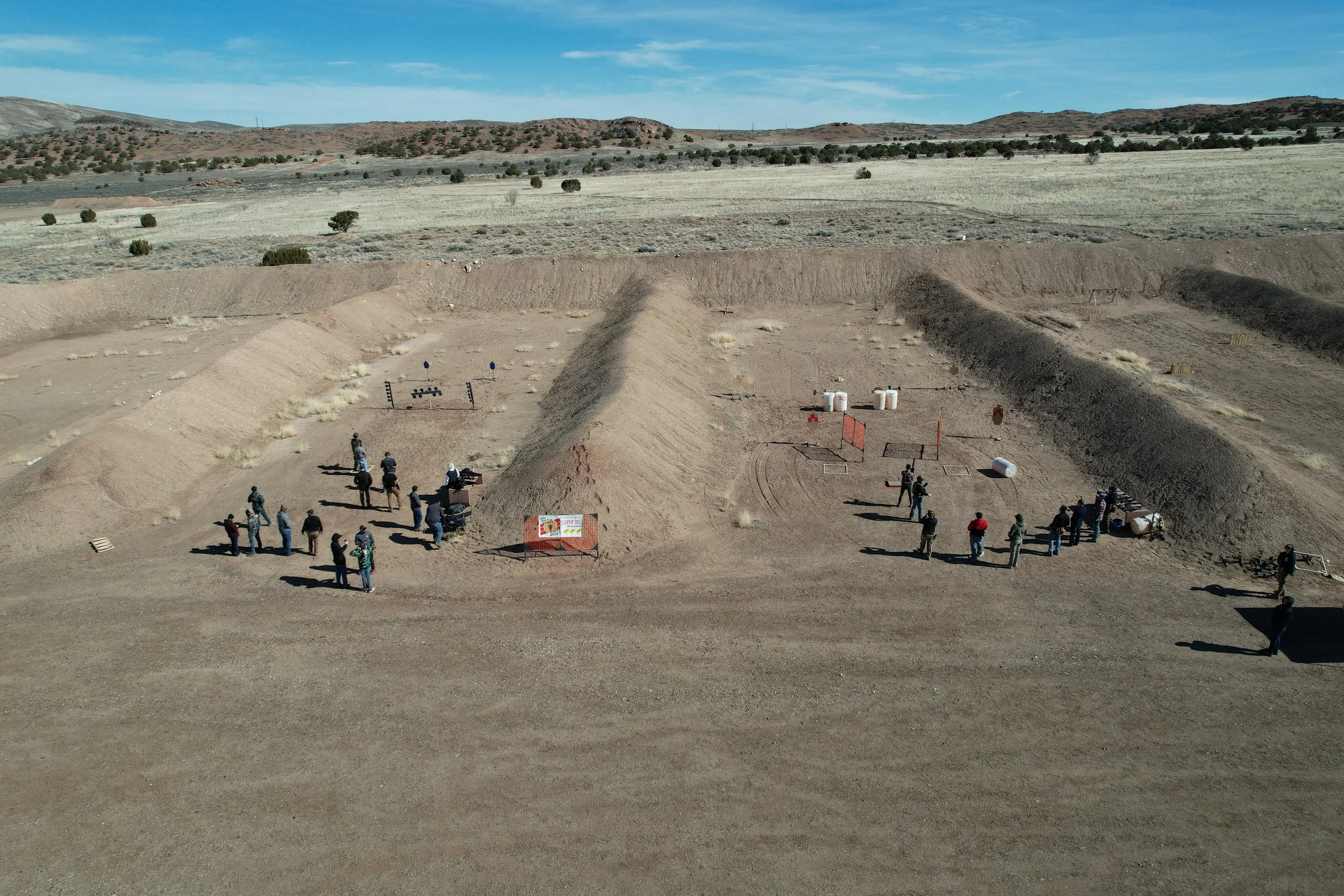
Firearm Training Near You: How Far Iron Mountain Training Group Is From Southern Utah’s Major Areas
Training near you
When people search for firearm training, the real question isn’t just what’s offered — it’s how far is it from me?
Iron Mountain Training Group is based out of Cedar City, Utah, making it a central hub for shooters across Southern Utah and nearby regions. Whether you’re local or coming in from surrounding communities, quality training is often closer than you think.
Below is a clear breakdown of nearby areas and realistic drive times to Cedar City so you can plan training without guesswork.
Based in Cedar City
Iron Mountain Training Group operates out of Cedar City, making it especially convenient for residents of Iron County and a practical destination for shooters throughout Southern Utah.
If you’re local, training doesn’t require travel at all — just commitment.
From Enoch
Approximate drive: 5–10 minutes
Enoch residents are essentially neighbors. Many shooters from Enoch treat Iron Mountain training like a regular weekly or monthly activity rather than a special trip.
From Parowan
Approximate drive: 15–20 minutes
Parowan shooters have quick access to structured firearm training without leaving Iron County. The short drive makes it easy to attend both beginner and advanced courses.
From Paragonah
Approximate drive: 20–25 minutes
Paragonah residents often find Iron Mountain to be the most convenient professional training option without heading toward larger metro areas.
From St. George
Approximate drive: 1 hour
Shooters from St. George regularly travel north to Cedar City for training. While the drive is longer than local options, many choose Iron Mountain for its structured instruction and focused training environment.
From Washington
Approximate drive: 1 hour 5 minutes
Washington-area shooters often combine training with a planned day trip. The consistent quality of instruction makes the drive worthwhile for those seeking more than casual range time.
From Hurricane
Approximate drive: 1 hour 15 minutes
Hurricane shooters commonly attend longer courses or schedule training days in advance. The drive remains manageable for anyone serious about skill development.
From Kanab
Approximate drive: 2 hours
Kanab residents typically plan training as a dedicated day. Many choose Iron Mountain because comparable instruction closer to home is limited.
Why Shooters Travel to Cedar City for Training
Many people start by searching for the closest option — then realize proximity doesn’t equal quality.
Shooters consistently travel to Cedar City for:
Structured, professional instruction
A disciplined safety-first environment
Clear progression from beginner to advanced skills
Fewer distractions than high-traffic metro ranges
For many, an extra 30–60 minutes of driving saves months of unproductive practice.
Training That’s Worth the Drive
Iron Mountain Training Group focuses on:
Foundational firearm safety
Pistol fundamentals and consistenc
Progressive training paths for all experience levels
That’s why shooters from across Southern Utah choose Cedar City as their training destination rather than settling for whatever happens to be closest.
Final Thoughts
If you’re within a one- to two-hour radius of Cedar City, Iron Mountain Training Group is well within reach.
Serious training doesn’t require relocating — just choosing instruction that justifies the drive. For shooters across Southern Utah, Cedar City remains a central and accessible hub for professional firearm training.
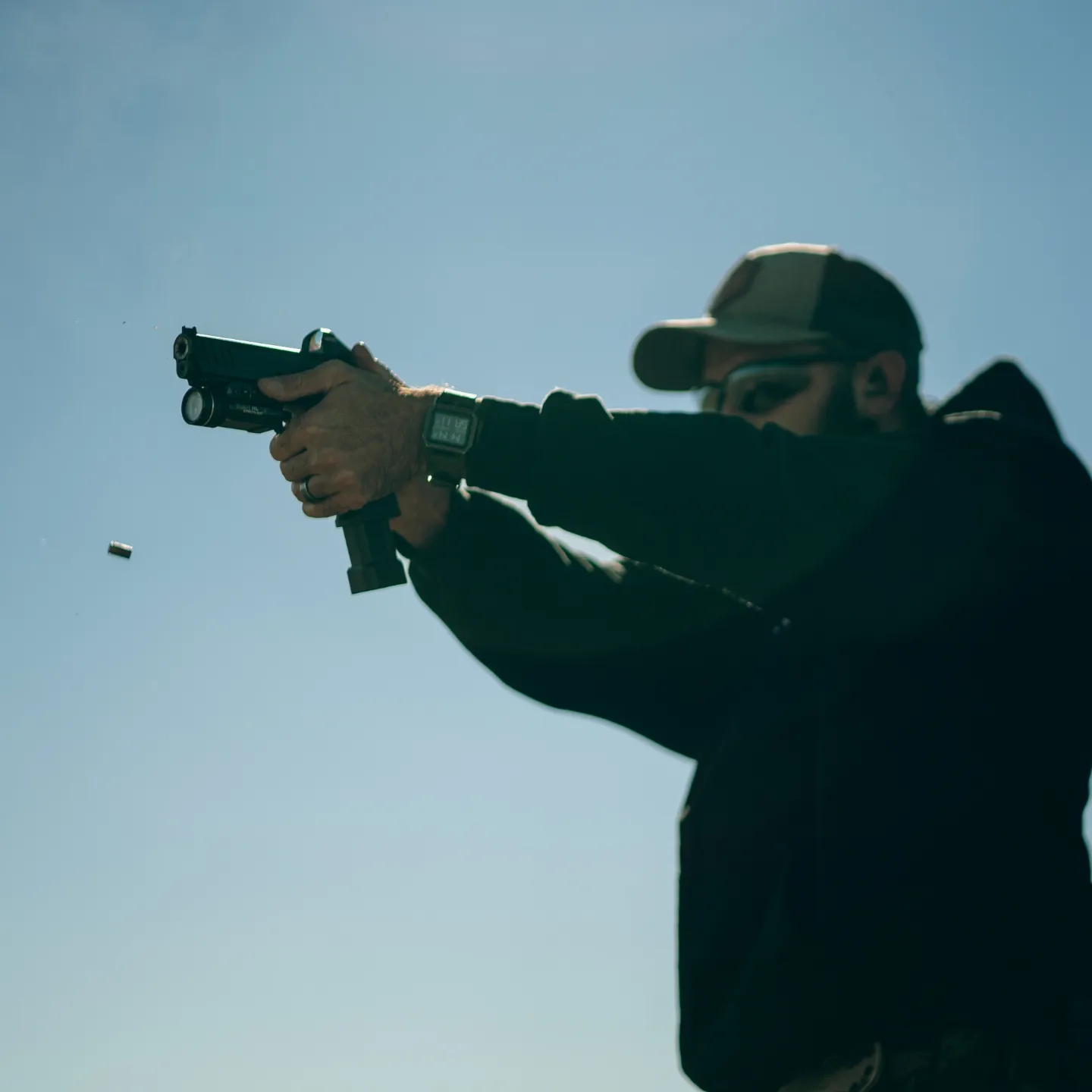
5 Drills to Improve Pistol Accuracy
Sharpen your handgun performance with five proven pistol accuracy drills designed to improve trigger control, sight alignment, grip consistency, and shot discipline. This guide breaks down instructor-approved dry fire and live fire techniques that help shooters tighten groups, eliminate common shooting errors, and build repeatable precision through purposeful training. Perfect for shooters looking to improve accuracy, control recoil, and develop stronger shooting fundamentals.
Pistol accuracy doesn’t come from shooting more rounds — it comes from shooting with purpose. Most accuracy problems aren’t mysterious; they’re the result of a few correctable fundamentals being applied inconsistently.
These five drills are instructor-approved methods to tighten groups, improve control, and build repeatable accuracy without gimmicks.
Why Accuracy Comes From Fundamentals
Before drills matter, fundamentals matter more.
Accuracy depends on:
Consistent grip
Controlled trigger press
Stable sight alignment
Mental focus during execution
The drills below isolate these elements so errors become obvious and fixable.
Drill #1: Slow Trigger Press Drill
Purpose: Improve trigger control and eliminate anticipation.
How to perform:
Start at a close distance
Align sights on target
Press the trigger slowly until the shot breaks
Focus on keeping sights perfectly still
What it fixes:
Exerting to much pressure on the trigger pull, pushing shots, inconsistent breaks.
Drill #2: Wall Drill (Dry Fire)
Purpose: Identify movement during trigger press.
How to perform:
Unload and verify the firearm is safe
Stand close to a blank wall
Aim at a small reference point
Press the trigger while watching the sights
What it fixes:
Grip tension, sight movement, trigger slap.
Drill #3: Cadence Drill
Purpose: Balance speed and accuracy.
How to perform:
Fire controlled pairs at a consistent rhythm
Maintain sight alignment between shots
Increase cadence only when accuracy holds
What it fixes:
Rushing shots, loss of control under speed.
Drill #4: Dot Torture Drill
Purpose: Test multiple fundamentals simultaneously.
How to perform:
Use a dot torture target
Follow the prescribed sequence
Track misses honestly
What it fixes:
Grip consistency, trigger discipline, focus under repetition.
Drill #5: Reset Drill
Purpose: Improve trigger reset control.
How to perform:
Fire a shot
Hold trigger to the rear
Reset slowly until the click
Fire the next shot
What it fixes:
Over-travel, inconsistent trigger timing.
How Often You Should Run These Drills
Quality matters more than volume.
A productive approach:
Dry fire several times per week
Live fire with a clear goal
Track progress honestly
Short, focused sessions outperform long, unfocused ones.
When Drills Stop Working
If drills stop producing results, it’s usually because:
Technique isn’t being corrected
Errors aren’t being identified
Feedback is missing
This is where professional instruction accelerates improvement.
Final Thoughts
Accuracy improves fastest when practice is intentional.
These drills isolate the fundamentals that matter most and reveal errors quickly. Run them consistently, track results, and resist the urge to rush progress. Precision follows discipline.
Beginner’s Guide to Pistol Training in Southern Utah
Beginners Guide to pistol training in Southern Utah
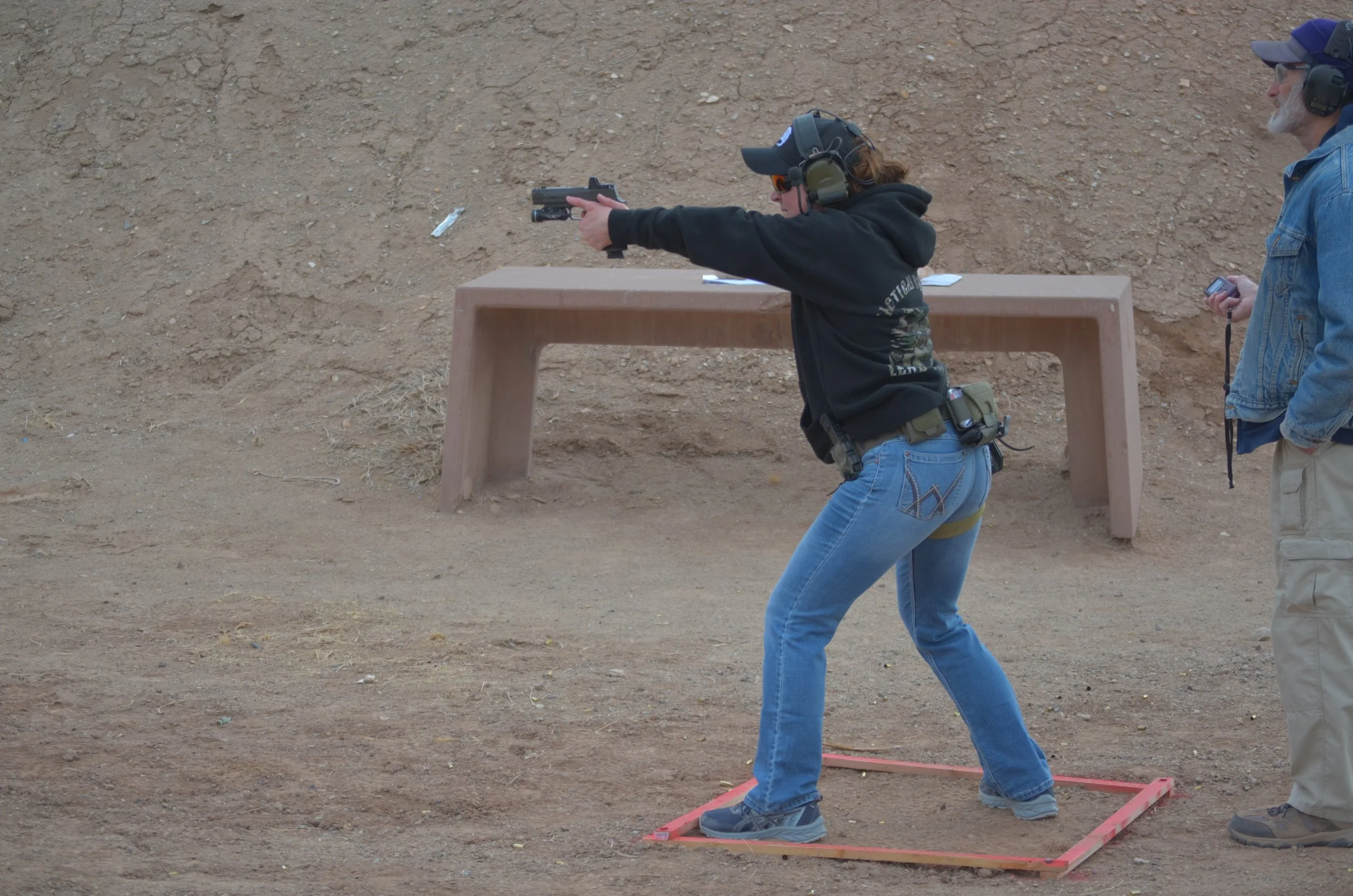
If you’re considering pistol training in Southern Utah, you’re not alone — and you’re not late to the party. Whether you’re brand new to firearms or looking to build confidence beyond casual range time, professional pistol training is one of the fastest ways to develop safe, consistent, and repeatable skills.
This guide breaks down exactly what beginner pistol training looks like, what you should expect, and how to choose the right program so you’re not guessing your way through it.
Who This Guide Is For
This is for you if:
You’re new to pistols and want structured instruction
You’ve owned a firearm for a while but never had formal training
You want to improve safety, accuracy, and confidence
You’re interested in progressing beyond basic range habits
You do not need prior experience, elite gear, or competitive goals to benefit from training. Most people who show up for beginner classes are starting exactly where you are.
What Pistol Training Actually Covers
Beginner pistol training focuses on fundamentals — the things that determine long-term success and safety.
You can expect instruction on:
Firearm safety principles and range protocols
Grip, stance, and posture for control and recoil management
Trigger discipline and proper press mechanics
Sight alignment and sight picture
Basic reloads and malfunction awareness
Safe firearm handling under supervision
This is not about running drills for Instagram. It’s about building habits that prevent mistakes and create consistency.
Common Myths New Shooters Believe
Let’s clear up a few things early:
“I need more range time before training.”
Wrong. Training teaches you how to practice correctly. Unstructured range time often reinforces bad habits.
“I’ll slow everyone down.”
Beginner courses are designed for beginners. No one expects perfection.
“I need expensive gear first.”
You don’t. Fundamentals matter more than equipment — always.
What to Bring to Your First Pistol Class
Most beginner classes keep requirements simple. Typically, you’ll need:
A reliable pistol (or confirm if rentals are available)
Eye and ear protection
Ammunition (quantity varies by class)
Comfortable clothing suitable for outdoor conditions
An open mindset and willingness to learn
If you’re unsure about gear, ask beforehand. Good instructors would rather answer questions than watch someone struggle unnecessarily.
Why Local Training Matters in Southern Utah
Southern Utah presents unique environmental and logistical factors:
Outdoor ranges with variable terrain
Weather conditions that affect shooting and gear
Local laws and regulations that instructors understand firsthand
Training locally means learning in the same conditions you’ll actually practice in — not a generic indoor lane that doesn’t reflect real-world scenarios.
How to Choose the Right Pistol Training Program
Not all training is equal. When evaluating beginner pistol courses, look for:
Clear safety emphasis
Instructors with verifiable experience and teaching ability
Structured curriculum, not improvised drills
Small enough class sizes for individual feedback
A focus on fundamentals over speed or theatrics
A good beginner class should leave you feeling more confident, not overwhelmed.
What You Should Walk Away With
By the end of a proper beginner pistol training course, you should:
Understand safe firearm handling without hesitation
Know why shots land where they do
Be able to practice more effectively on your own
Feel confident continuing training or advancing to the next level
Training doesn’t end after one class — but the right first class sets the trajectory.
Final Thoughts
Pistol training isn’t about proving anything. It’s about competence, safety, and confidence. Southern Utah offers excellent opportunities for structured firearm education, and starting with a solid beginner course is the smartest move you can make.
If you’re serious about improving — not just owning a firearm — professional training is where real progress begins.
.
Competition Shooting 101: From Range Day to Match Day
It All Begins Here
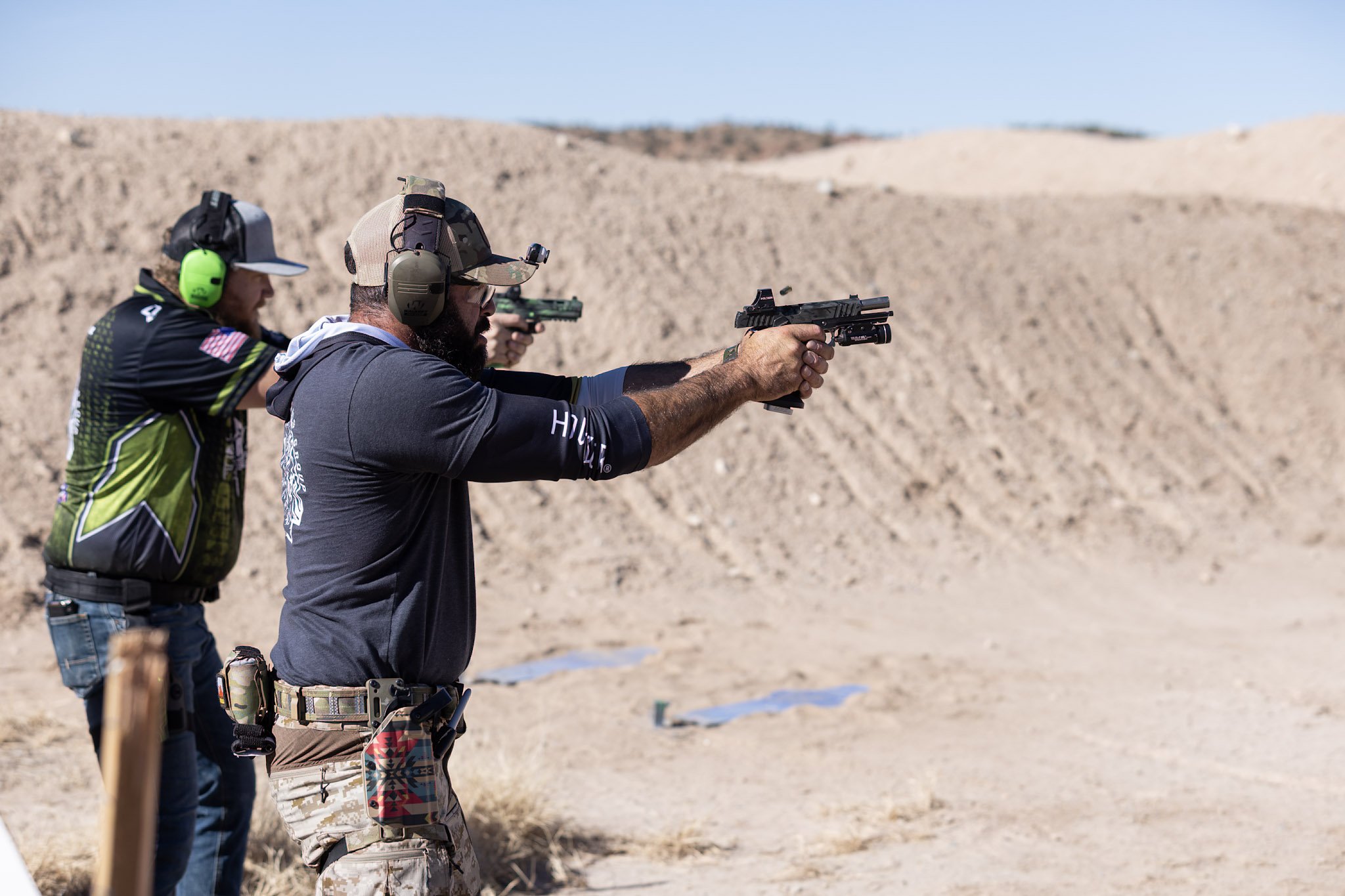
Competition shooting isn’t just for elite shooters, sponsored athletes, or people who own more gear than furniture. At its core, competition shooting is structured marksmanship under pressure — and it’s one of the fastest ways to sharpen fundamentals, discipline, and mental focus.
If you’ve ever wondered what competition shooting actually involves, how people transition from casual range time to matches, or whether it’s even for you, this guide breaks it down without the hype.
What Competition Shooting Really Is (And Isn’t)
Competition shooting is not about looking tactical, running gimmicky drills, or flexing equipment.
It is about:
Accuracy under time constraints
Consistency across repetitions
Following strict safety and procedural rules
Managing stress while executing fundamentals
Matches reward shooters who can perform reliably — not those chasing speed at the expense of control.
Types of Shooting Competitions
There are several formats, each emphasizing different skills. Beginners don’t need to master them all — just understand the landscape.
Common competition formats include:
Action pistol competitions focused on movement, transitions, and accuracy
Accuracy-driven disciplines emphasizing precision over speed
Structured stages with defined courses of fire
Despite differences, all formats rely on the same core fundamentals: grip, trigger control, sight management, and decision-making.
Skills You Need Before Your First Match
Contrary to popular belief, you don’t need to be “match ready” to attend your first competition.
What does matter:
Safe firearm handling without hesitation
Basic accuracy at reasonable distances
Ability to follow instructions and range commands
Comfort shooting under observation
You do not need:
Advanced movement techniques
Perfect times
Custom equipment
Most shooters improve because they start competing — not before.
Training Differences: Defensive vs Competition Shooting
While both disciplines share fundamentals, their goals differ.
Defensive-focused training emphasizes:
Threat assessment
Practical concealment considerations
Real-world decision-making
Competition-focused training emphasizes:
Efficiency
Repeatability
Speed balanced with accuracy
Good instructors help shooters understand where skills overlap — and where they intentionally diverge — so habits don’t conflict.
Why Competition Accelerates Skill Development
Competition introduces variables that casual practice doesn’t:
Time pressure
Structured consequences for mistakes
Performance tracking
Objective benchmarks
Instead of guessing whether you’re improving, competition provides immediate feedback. Scores, penalties, and stage results don’t lie — and that clarity drives growth.
Mental Discipline: The Hidden Skill
Ask experienced competitors what separates average shooters from consistent performers, and the answer is rarely mechanical.
Mental discipline matters:
Managing adrenaline
Resetting after mistakes
Staying task-focused instead of outcome-focused
Executing fundamentals under observation
Competition exposes mental gaps quickly — which makes it one of the most effective training tools available.
Is Competition Shooting Right for You?
Competition shooting isn’t mandatory — but it is valuable.
You may enjoy competition shooting if you:
Like measurable progress
Want structure beyond open range time
Appreciate skill-based challenges
Want to improve faster than casual practice allows
You don’t need to chase trophies. Many competitors use matches purely as a training environment.
How Training Bridges the Gap
The fastest way to transition into competition shooting is structured instruction.
Professional training helps:
Identify inefficiencies early
Prevent unsafe habits under stress
Build stage planning skills
Develop confidence before match day
Training turns competition from intimidating to productive — and from chaotic to controlled.
Final Thoughts
Competition shooting isn’t about winning. It’s about learning how you perform when it counts.
For shooters looking to sharpen fundamentals, test consistency, and accelerate improvement, competition offers clarity that casual practice never will. With the right preparation and instruction, it becomes one of the most effective training environments available.
Dry Fire vs Live Fire: What You Should Be Practicing (And Why)
Drive Fire vs. Live Fire
If you ask ten shooters how to improve, nine will say “more range time.” What they usually mean is more live fire — more ammo, more noise, more expense.
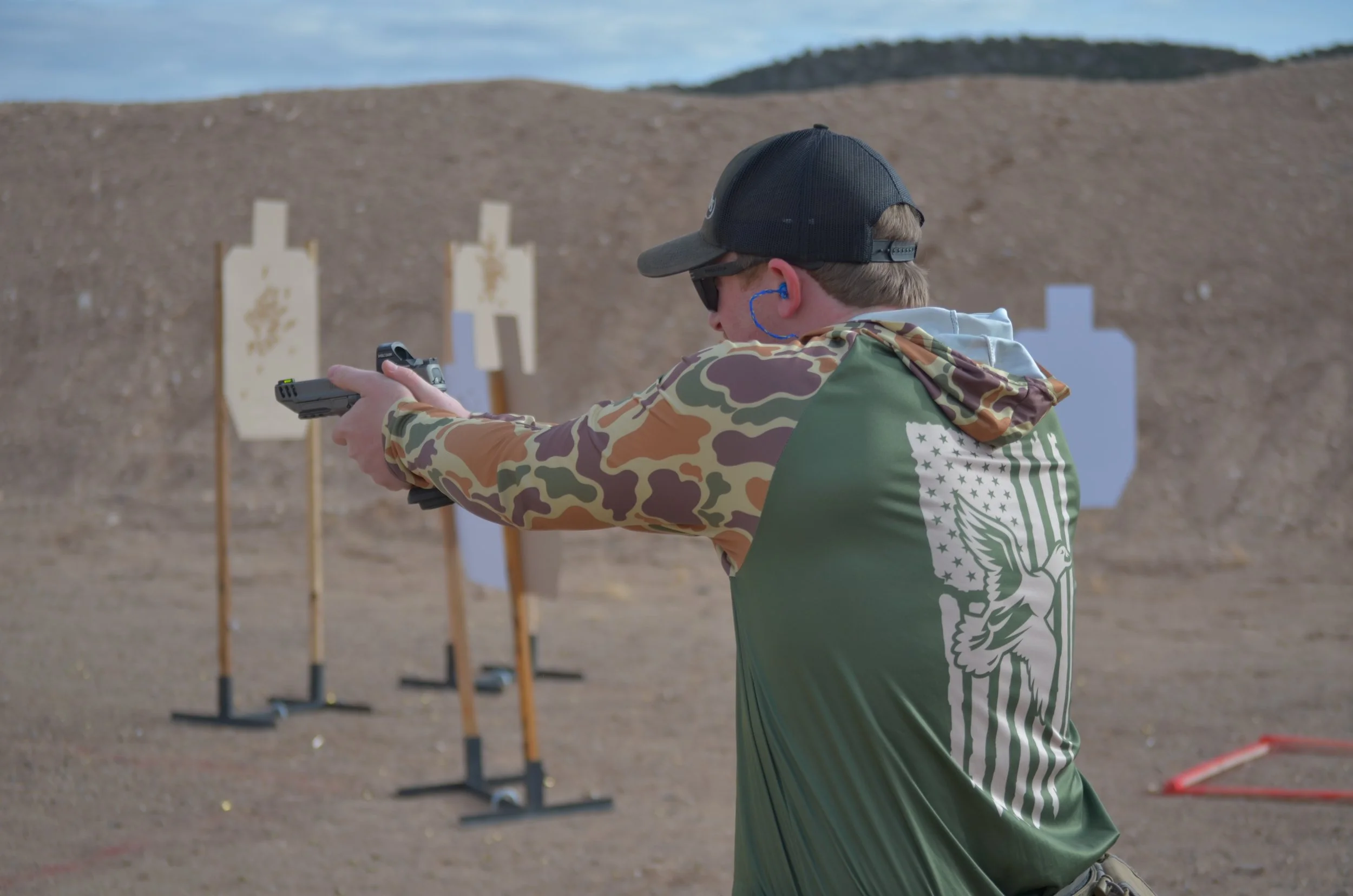
The truth is less exciting but far more effective: improvement comes from how you practice, not how loud it is. Dry fire and live fire both matter, but they serve very different purposes. Understanding when and how to use each is what separates efficient shooters from frustrated ones.
What Dry Fire Training Is
Dry fire training is practicing firearm mechanics without live ammunition. It allows shooters to isolate fundamentals without recoil, noise, or time pressure.
Dry fire focuses on:
Trigger control
Grip consistency
Sight alignment and sight movement
Draw mechanics and presentation
Reloads and manipulations
Because there’s no live fire, shooters can concentrate entirely on technique.
Why Dry Fire Is So Effective
Dry fire removes distractions. Without recoil, shooters can see exactly what the sights do during a trigger press — which exposes errors immediately.
Benefits of dry fire include:
Faster skill acquisition
No ammunition cost
Ability to practice anywhere safely
Immediate feedback on fundamentals
Many accuracy issues blamed on recoil are actually trigger and grip problems that dry fire reveals instantly.
Common Dry Fire Mistakes
Dry fire is powerful — but only when done correctly.
Common errors include:
Practicing without a clear goal
Rushing repetitions
Ignoring safety procedures
Failing to confirm the firearm is unloaded
Dry fire must be intentional and disciplined to be effective.
What Live Fire Training Is Best For
Live fire training introduces elements dry fire cannot:
Recoil management
Shot-to-shot cadence
Environmental awareness
Pressure from noise and movement
Live fire validates whether dry fire fundamentals hold up under real conditions. It’s not a replacement — it’s a test.
Why Live Fire Alone Isn’t Enough
Live fire without structure often turns into:
Chasing holes on targets
Burning ammunition without feedback
Reinforcing bad habits under recoil
If fundamentals aren’t solid before live fire, shooters often compensate instead of correct.
How to Balance Dry Fire and Live Fire
The most efficient shooters use both, intentionally.
A strong practice balance looks like:
Frequent dry fire sessions focused on fundamentals
Less frequent but purposeful live fire sessions
Celar goals for every range trip
Many instructors recommend significantly more dry fire than live fire — especially for beginners and intermediate shooters.
When Training Makes the Biggest Difference
Professional instruction helps shooters:
Structure dry fire routines correctly
Identify what live fire is actually testing
Prevent unsafe habits during practice
Translate dry fire gains into live fire performance
Training removes guesswork and accelerates progress.
Final Thoughts
Dry fire builds skill. Live fire confirms it.
Shooters who rely on only one method limit their progress. Those who understand the purpose of both improve faster, spend less, and build safer, more consistent habits.
If your goal is improvement — not just noise — how you practice matters more than how often you shoot.